by Erich Maria Remarque
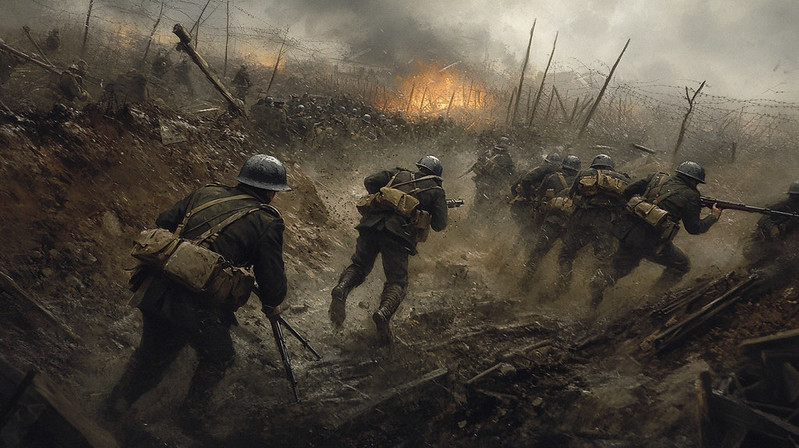
All Quiet on the Western Front is perhaps the most well-known piece of World War I media. The story centers a nineteen year old recruit in the German army and the various, largely negative experiences he has on the war front. While there are many perspectives I could use regarding both physical and mental disability in this novel, I want to focus on one character: Kropp.
Albert Kropp is one of Paul’s many fellow soldiers and friends throughout the novel. As the novel comes to a close, and multiple of these soldiers are picked off, Kropp is no different, though instead of dying immediately, he is injured in his leg.
“‘I’ve made up my mind,’ he says after a
Remarque, 264
while, ‘if they take off my leg, I’ll put an end
to it. I won’t go through life as a cripple.’”
It is a theme in these pieces to wish one could have died “honorably” and without incurring a disability. Many of these pieces of literature pose disability as antithetical to heroism. To be patriotic is to die. To come home disabled is to further burden your country.
“They have taken him and amputated his leg. The whole leg has been taken off from the thigh. Now he hardly speaks any more. Once he says he will shoot himself the first time he can get hold of his revolver again.”
Remarque, 284
Neither of these interactions between Kropp and Paul are documented with any sort of response. No one attempts to discourage Kropp (or encourage him for that matter). The fear and resentment of disability hangs so heavy in these spaces that no one needs to respond. Even though Kropp is their friend, the soldiers not only understand Kropp’s perspective, they fear ending up like him.