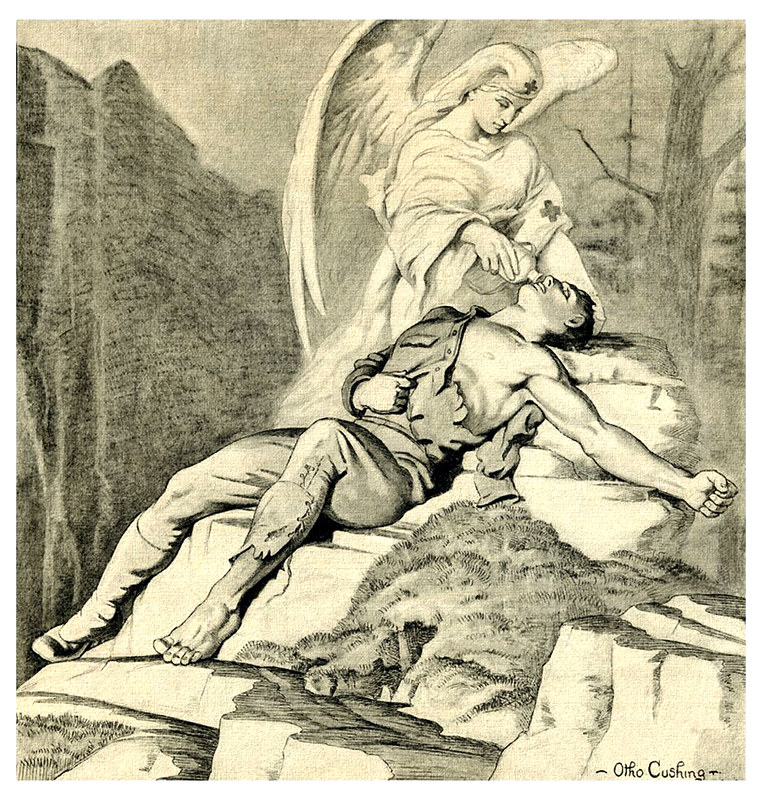
by Mary Borden
The Forbidden Zone by Mary Borden is a collection of short stories surrounding World War I. Though almost every story engages with disability, this analysis with focus on the short story “Moonlight.”
Similar to Not So Quiet, Moonlight surrounds a female nurse main character who is tending to the men in makeshift huts. The distinction of “man” however is lost, as the soldiers are reduced to their bodies; specifically, the parts of their body that are injured. These soldiers are seen by the narrator, the other nurses, and seemingly agreed upon, to be defined by their disability first and foremost.
“Next to it is the hut given up to gas gangrene, and next to that are the Heads. The Knees are on the other side, and the Elbows and the fractured Thighs.”
Borden, 58
Their disability and their status as soldiers further reduces them to genderless beings, animals, and crops (60), something that the nurses have in common with them, as sharers of trauma, regardless of physical disability.
Unlike Not So Quiet, the main character, among the other nurses, is recognized for her own disability.
“Her ears are deaf; she deafened them. She could not bear to hear Life crying and mewing. She is blind so that she cannot see the torn parts of men she must handle. Blind, deaf, dead — she is strong”
Borden, 59
This distinction of disability as not only a necessity, but a superpower, subverts the expectations originally given to World War I literature.